

Romanian tech startups have the ideas, skills and ambition to develop applications for global markets. But they also face a common challenge: access to the IT infrastructure needed to turn innovation into stable, secure and scalable commercial services. This was one of the key takeaways from the meetings M247 Global's team held with entrepreneurs and technology companies attending How to Web 2026.
How to Web 2026: Where Innovation Meets Business Opportunities
Held in Bucharest on 7–8 October at Face Convention Center, How to Web 2026 brought together the startup ecosystem, investors, technology company founders and IT professionals for one of the region's leading events dedicated to entrepreneurship and innovation.
Under the theme "What will you build when you can build anything?", this year's edition explored how artificial intelligence is transforming software development, accelerating the launch of new businesses and creating opportunities for emerging companies. The event attracted over 3,000 participants from more than 40 countries, over 500 startup founders and more than 150 international speakers.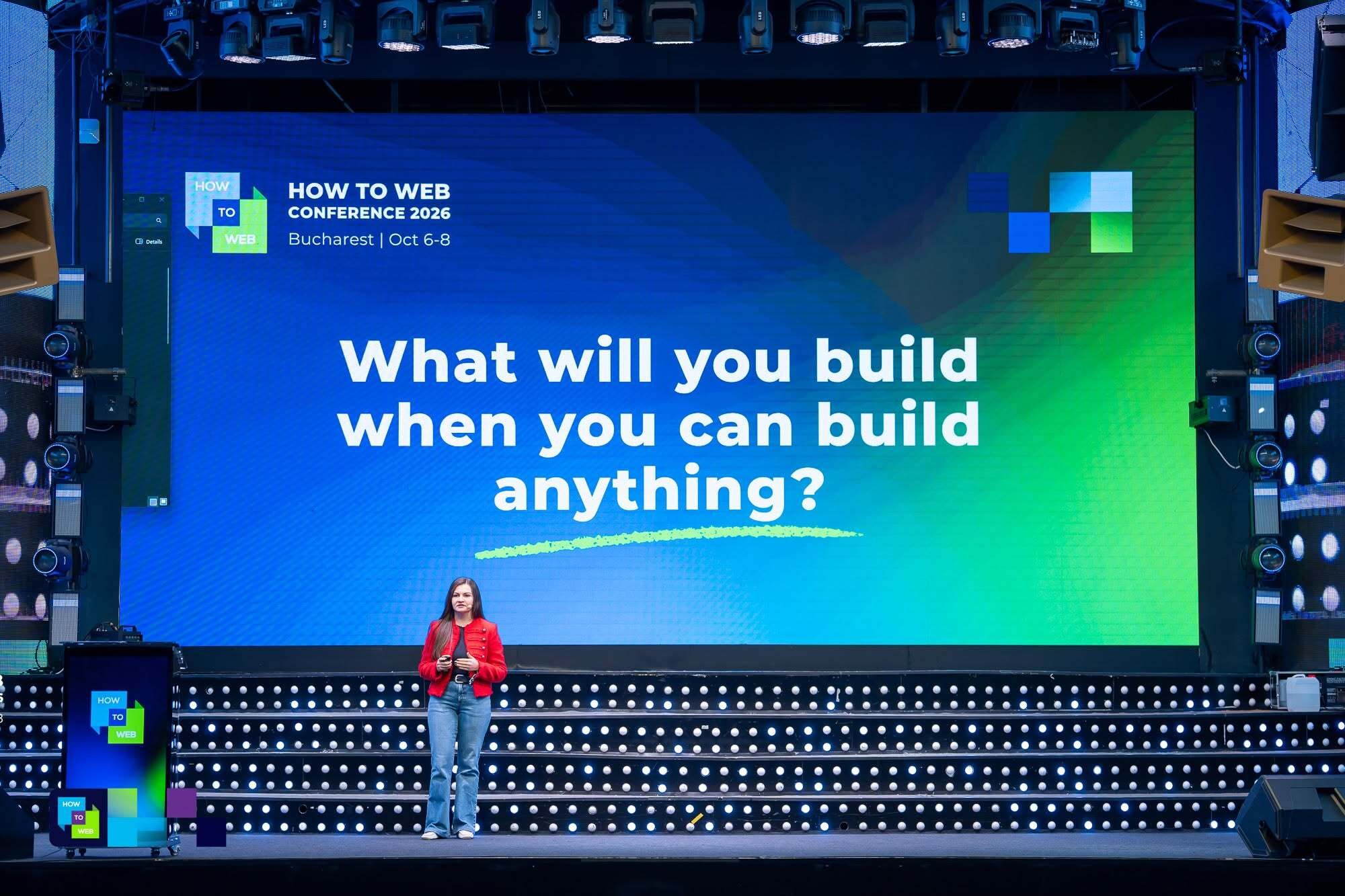 Beyond the stage presentations, the Spotlight competition and discussions on funding, product development and scaling, the conference offered numerous opportunities for networking and direct meetings between technology developers and companies capable of supporting their growth.
For M247 Global, attending How to Web had a clear objective: identifying collaboration opportunities with startups, software developers, IT integrators and technology consultants that need professional infrastructure for their own applications or the solutions they deliver to customers.
AI Is Everywhere. But Where Do All These Applications Run?
Two common characteristics emerged from M247 Global's meetings with conference participants: the integration of artificial intelligence into their products and the growing demand for computing and storage resources.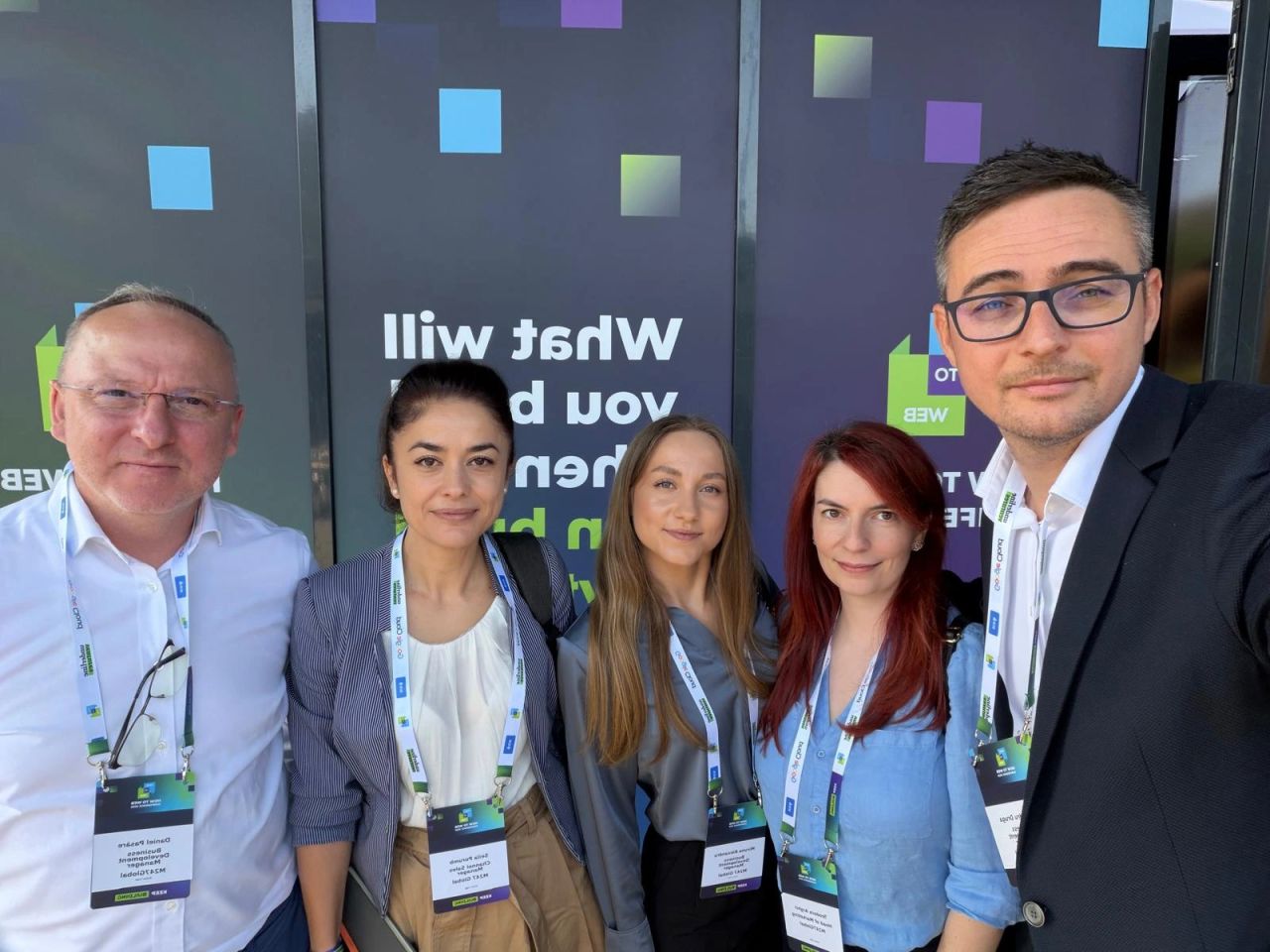 AI is no longer just a research direction or an experimental feature. It is already embedded in financial applications, process management and automation solutions, productivity tools, data analytics platforms and many other software products.
The creativity and technical expertise are there, and the speed at which small teams can develop new products is impressive. However, as these applications reach real customers, a much more practical question arises:
Where, and on what infrastructure, will they run to deliver the expected performance, security and availability?
This question is particularly relevant for AI-powered applications, where computing requirements can grow rapidly, while access to GPU resources, processing costs and scalability can become decisive factors in a product's commercial viability.
From the Office Server to Professional Infrastructure
Some of the most interesting conversations at How to Web started with very practical experiences. Our colleagues listened, sometimes with amusement, to stories about servers accidentally switched off during office cleaning, power outages that left applications offline for hours, or systems that could no longer handle demand when user numbers suddenly increased. These situations may sound funny in retrospect, but they highlight a real problem. For an early-stage startup, IT infrastructure is often treated as a secondary priority, while investment is understandably focused on the product and the team.
Things change when the application starts serving large organisations with clear requirements for availability, security and business continuity. An enterprise customer may be impressed by a product's ingenuity and value, but will also assess the provider's ability to ensure reliable, predictable operations.
For a startup, an infrastructure incident means more than a few hours of downtime. It can mean losing the trust of an important customer or missing an opportunity for funding and growth.
This is why moving from an improvised development environment to professional infrastructure is an essential step in the maturity of a technology company.
M247 Global: An Infrastructure Partner for Startups Ready to Grow
This is where M247 Global sees concrete opportunities to collaborate with Romania's technology startup ecosystem.
Through its portfolio of cloud services, dedicated servers, colocation and connectivity, M247 Global can provide the infrastructure application developers need to host their products, serve users and expand operations without investing in their own data centres.
For a fintech startup, this could mean hosting applications in a professional environment with high levels of security and availability. For a proptech or process automation software developer, it could mean scaling computing resources as new customers come on board. And for companies planning international expansion, M247's global network can facilitate access to infrastructure and connectivity closer to the markets they serve.
With a presence in 53 data centres worldwide, M247 Global can support both local projects and applications requiring geographic distribution, international connectivity or a presence across multiple markets.
Collaboration does not have to be limited to the traditional supplier–customer relationship. Through the M247 Global Partner Program, software companies, IT integrators, managed service providers (MSPs) and technology consultants can establish reseller or referral partnerships, complementing their own solutions with infrastructure services.
This allows startups to focus their resources on product development and customer relationships, while relying on a specialised partner for the infrastructure their applications need.
Innovation Needs a Solid Foundation
How to Web 2026 reaffirmed our confidence in the potential of Romania's technology ecosystem. We met young companies with original ideas and products capable of addressing real business needs, including those of mature and demanding enterprise customers.
We also saw how quickly a gap can emerge between the ambitions behind a software product and the technical resources available to support it.
"The sky is the limit" when it comes to creativity and innovation. But sooner or later, software applications encounter the physical limits of IT infrastructure.
The role of an infrastructure partner like M247 Global is to help overcome these constraints, enabling technology companies to turn their ideas into stable, scalable and competitive services for international markets.
It was a pleasure to attend How to Web 2026, experience the enthusiasm of a young and dynamic industry, and meet entrepreneurs building the next generation of technology products. We hope many of the conversations started at the conference will develop into long-term partnerships.
Are you developing software applications or providing IT services and looking for an infrastructure partner? Explore collaboration opportunities through the M247 Global Partner Program.